Meta Avatars: Architecting Scalable Identity Systems
Working at Meta as a Technical Artist has equipped me with the skills necessary to architect scalable real-time systems that carry digital identities for billions of users across platforms. I transitioned into this role during the ambitious push for Style 2.0, steering the technical execution of our Skin and Makeup pipelines before expanding my scope to Aspirational Bodies, Modular Clothing, and Fantastical Avatars. I engineered USD-based node graph systems simulating subsurface scattering, leveraged Python and Maya to automate 90% of manual texture processing, and deployed blueprint refactors that delivered 30-35% faster rendering. Ultimately, I championed the structural implementation of our LOD4 rollout, powering high avatar concurrency for thousands of users during the massive Connect 2025 events.
The Context
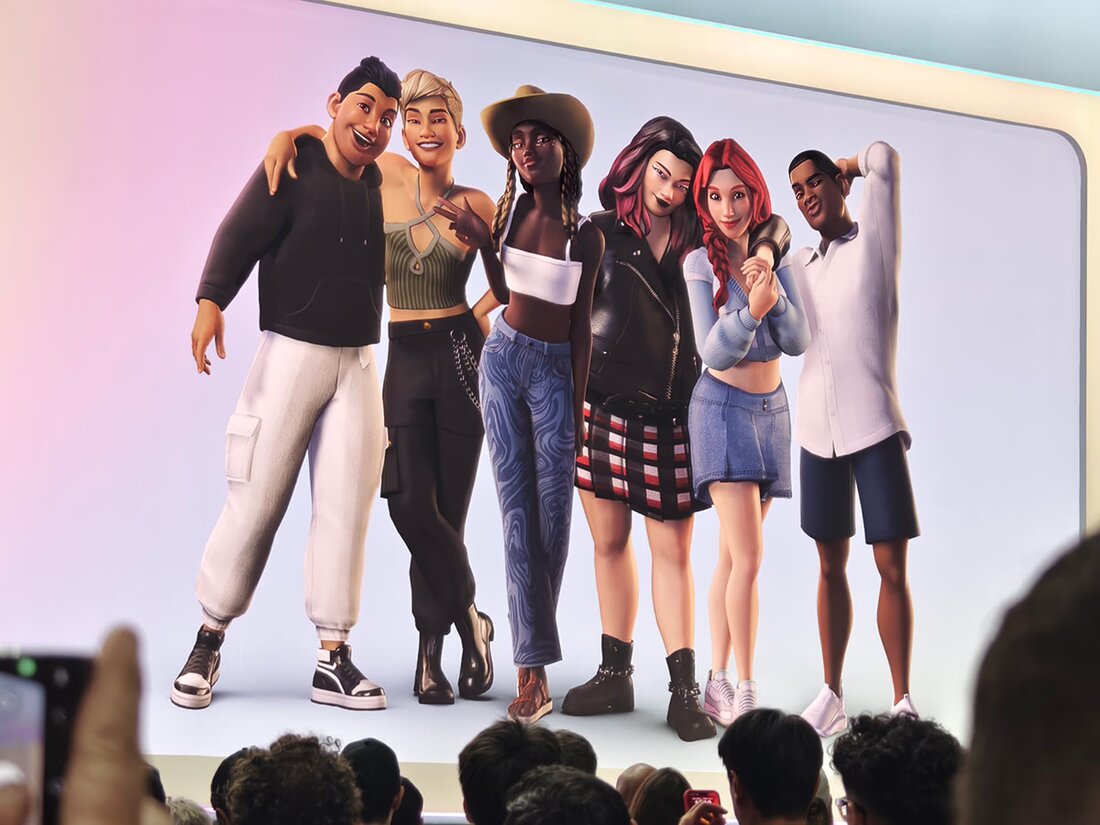
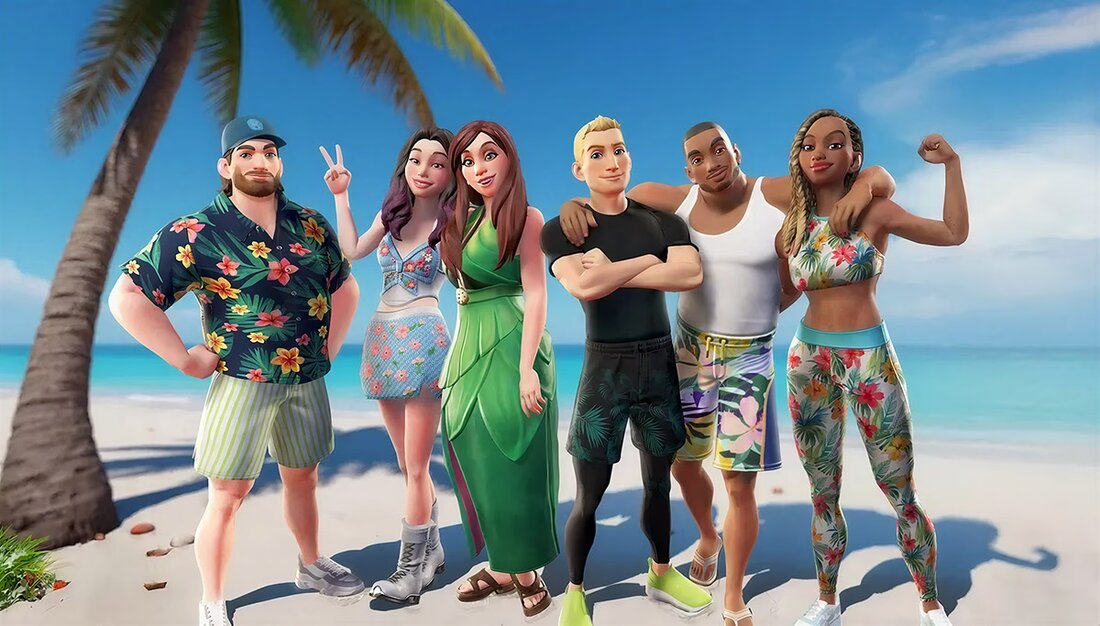
Meta's avatars serve as the digital identity layer across Facebook, Instagram, WhatsApp, Messenger, and Horizon. Directing technical art and building materials at this platform scale is a unique challenge; you are architecting a parametric system that must gracefully interpret millions of possible user configurations in real-time. The goal at Meta was to bridge the gap between high-level artistic vision and rigorous technical execution for Style 2.0, ensuring our infrastructure supported authentic, diverse representation without sacrificing real-time mobile and VR performance.
The Challenges
The underlying systems required a structural rebuild to support the new visual direction. Our legacy pipelines were a bottleneck for content production, making the authoring of complex textures highly manual. Achieving authentic representation meant we needed better technical solutions for complexions, dark skin tones, and hair textures.
The Approach
Skin, Makeup, and the Identity Layer
I was part of the team that completely revamped the visual fidelity of the avatar ecosystem. Operating as the Tech Art Lead for the Skin and Makeup workstreams, I engineered a USD-based node graph system that simulated subsurface scattering to make avatars look more appealing and grounded.
True representation lives in the details. I implemented a complexion layering system with dynamic weighting that adjusted specifically based on the user's skin tone choice, which significantly improved visual fidelity on darker skin tones. To address hair, I collaborated closely with engineering to champion the technical framework for a parametric duotone hair system, standardizing the material variant structure to ship over 260 variants and pushing the feature's usage up by 10x.
Aspirational Bodies & Performance Optimization
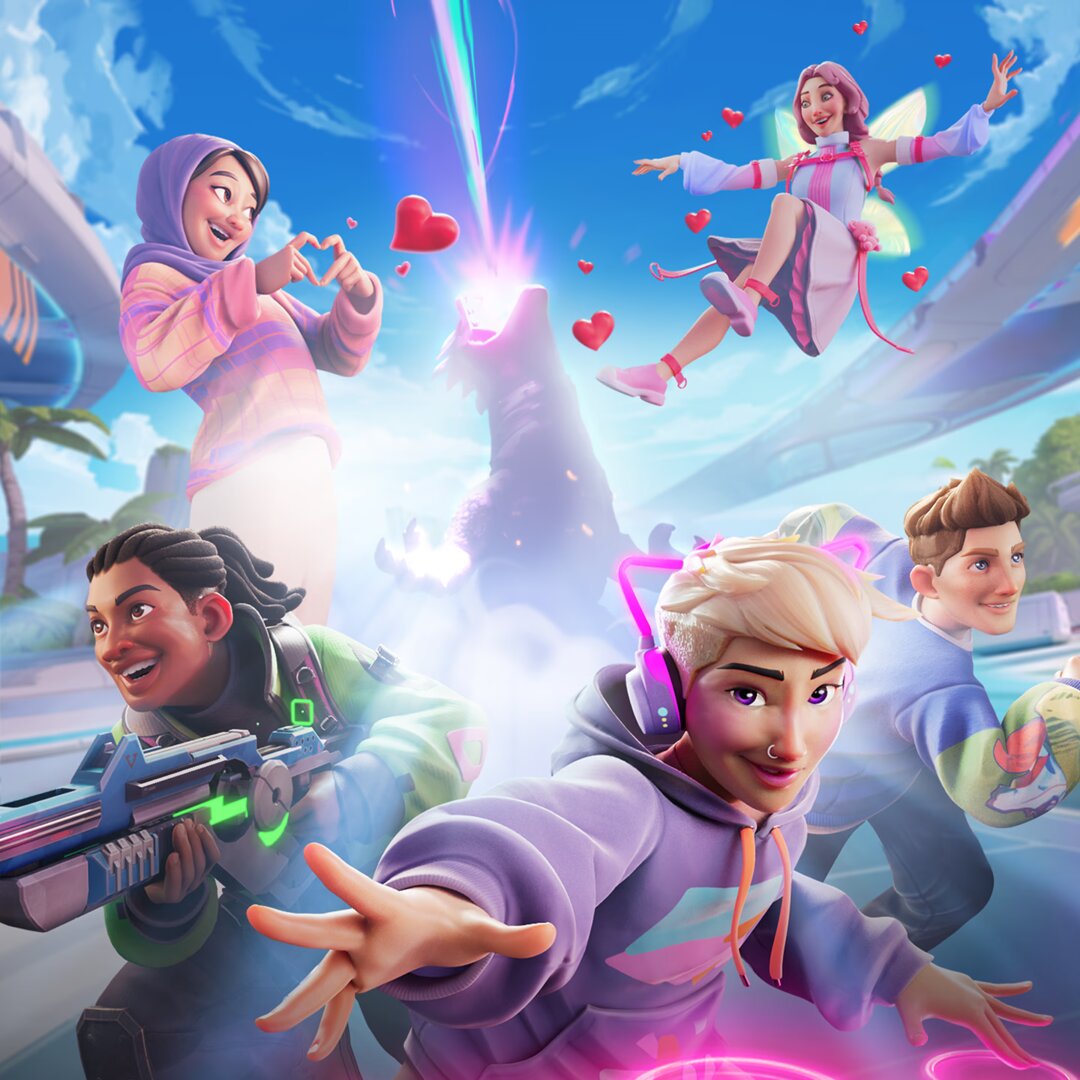
When we introduced Aspirational Bodies to expand the range of athletic and diverse physiques, performance became a critical issue. I steered the optimization of the avatar pipeline by refactoring material blueprints. By re-architecting how these materials were processed, I delivered a 30-35% faster click-to-render performance than the base Style 2.0, directly unblocking the feature's launch. I also leveraged DDAP to blend up to 18 different normal maps dynamically, ensuring that physiological details like muscle definition held up cleanly across all 24 skin tones.